Back to blog
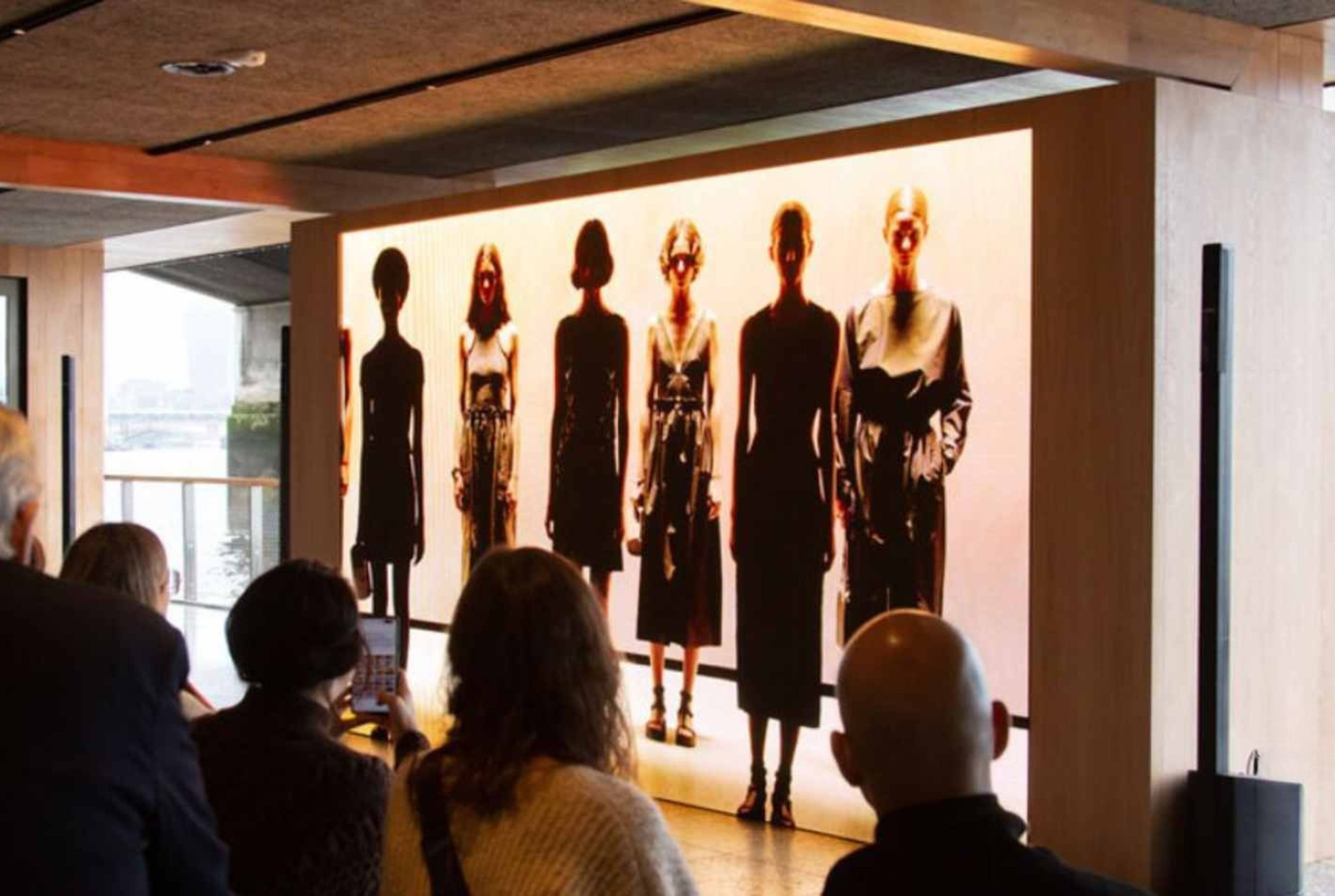

Whether you’re planning a corporate event, outdoor concert, fair or any other type of event, using the right sound system is always fundamental.

Have you ever wondered what kind of sound system for events you need? When it comes to choosing and renting a sound system for events, you will usually find a lot of moving parts. And as if managing and planning an event wasn’t complicated enough already, adding sound into the mix makes it even more challenging.
But, what is an event without a good sound system? An event may have incredible lighting, a big, bold LED wall and a fantastic display screen. But without a high-quality sound system, your audience may tune out, and your overall message can be lost.
This article features all the key details you should know before you rent the sound system for events. Don’t miss it!
Sound system for events: identify your needs
The first step in choosing the right audio equipment for your event is to identify your specific needs, considering factors like the event type, expected attendance, and required audio setup. By clarifying your requirements upfront, you can narrow down your options and make informed equipment choices.
Indoor or outdoor events
- Indoor Events: When it comes to indoor gatherings, such as conferences, trade shows, and weddings, portable PA systems and speakers of small to medium size typically take the stage. These speaker setups excel at delivering sound within shorter distances and offer the flexibility of easy relocation to various spots within the venue.
- Outdoor Events: Outdoor spectacles like concerts, festivals, and sporting events demand a grander auditory experience. Here, larger sound systems come into play, like amplifiers or sub-woofers. These audio powerhouses are engineered to project sound over extensive distances, ensuring coverage for larger audiences.
- Performance Spaces: In performance venues, a blend of speakers and microphones is commonly employed to achieve a harmonious sound mix. Forthemore, if your event needs music, we recommend the use of sub-woofers. Sub-woofers make it possible to listen to music with high-quality sound. They enhance the sound of almost any musical style. Sub-woofers are designed and fine-tuned to generate effective bass sounds, using much bigger speakers to reach even lower bass sounds. You’ll notice the difference right away if you choose to rent this piece of equipment for your event.
The importance of venue and audience size
To rent the right sound system for events, consider the size and type of the venue or space, and how many people will be there. Indoor venues require smaller and less powerful sound system than outdoor sites, where there is nothing to reflect the sound. Additionally, large crowds tend to “absorb” sound, which means, if you’re expecting a gathering of a certain size, you’ll need a PA that can generate more volume.
It’s also important to bear in mind what the rented sound system will be used for. For example, ask yourself if the sound system is only going to be used for a master of ceremonies to speak, or if it will be used by a singer, or someone playing acoustic guitar, or just to add background music... to determine whether the sound system requires more power or low-frequency capacity.
Sound system for events required based on other needs
Stage monitors
At an event, speakers will have a number of needs, but there is one that never fails: stage monitors. Presenters and hosts use stage monitors to listen to themselves, to track time, harmonies and signals. It’s much more complicated when the main speakers are right in front of the audience. The speaker may hear reflected sound and the background noise instead of their own voice, which can have a direct impact on their presentation. This is why stage controls are of crucial importance.
Mixing console
This piece could be considered the heart of all the sound equipment that you rent. There would be no need for a sound system if there weren’t a number of devices to connect to the mixing console. The microphones and other audio sources are connected to the console. Their signals are processed with effects like reverberation, blended, and then sent to the loudspeakers. Mixing consoles come in different sizes. Some large-format mixing consoles can handle over 100 microphones, instruments and other audio sources at once, while others are designed to process just a few inputs for small cabinets.
The size of the mixing console you need will probably be decided by the presenter, artist or speaker participating in the event. For example, if a band needs to simultaneously connect 18 different instruments and microphones, you’ll need a console with that number of inputs. For an event, you may need a microphone for the master of ceremonies, another for the keynote speaker, background music or other inputs.

Amplifiers
The frequency of a signal must be raised to a level that can be used with a speaker, which requires the use of an amplifier. Certain power amplifiers are built into speakers. In other cases, they are a separate piece of equipment that receives an audio signal from a mixer or audio crossover, which is then turned into an impulsed signal sent to a passive speaker.
Microphones
When it comes to sound systems for events, it's essential to discuss microphones. Microphones are a requisite for nearly every event. A handheld corded microphone can be enough in scenarios of product launches or simpler events. Others may require a broader variety of microphones to use.
Mains connection
If you require a bigger sound system for events, you’ll need more power. Some sound system, such as those used for a single speaker or small musical groups, can get enough power from a single electrical socket in the room. In other cases, you’ll need an energy distribution system. Significant amounts of electricity are sent to “power distribution units”, that then divide the energy by sockets to be used with electronic equipment. For a larger venue or space, you’ll have to use a good power distribution system to be able to rent the necessary sound equipment.
The importance of prior sound checks
Prior to your sound system for events, it's crucial to reserve the space for a sound check to test the speakers and any accompanying band. It's essential to maintain a quiet environment during sound checks to avoid interference. These tests aim to maximize the sound system's performance, so don't be alarmed by high volumes or occasional feedback – technicians intentionally trigger these to anticipate and resolve issues. Consider enlisting a professional sound technician for setup and technical support to ensure a seamless event, where all equipment is in working order and potential issues are addressed proactively.
Here are some key considerations to bear in mind:
-
Prioritize Sound Checks: Before the event commences, allocate time for comprehensive sound checks to validate equipment functionality and maintain well-balanced sound levels.
-
Optimize Speaker Placement: Ensure speakers are strategically positioned in alignment with the venue's layout and the nature of the event. This may necessitate fine-tuning factors like speaker height, angle, and distance.
-
Fine-Tune Your Gear: Calibrate your equipment to guarantee it operates at peak performance, involving adjustments to parameters like equalization, gain, and compression to achieve the desired sound quality.
-
Factor in Acoustics: Account for the venue's acoustics, making necessary equipment adjustments to facilitate even sound dispersion throughout the space.
As you probably know, planning and communication are essential steps to organizing an event. In the sound system rental process for your event, it is also important to contact your AV partner to find the ideal sound system for events. If you’ve enjoyed this article and found it useful, be sure to visit our blog to not miss out on any essential content on the technical production and organisation of in-person, hybrid and virtual events.

This article was first published in Dushow Spain, you can read the original Spanish version here.