Back to blog


Found this useful? Add Novelty as a preferred source and see more of our content when you search on Google.
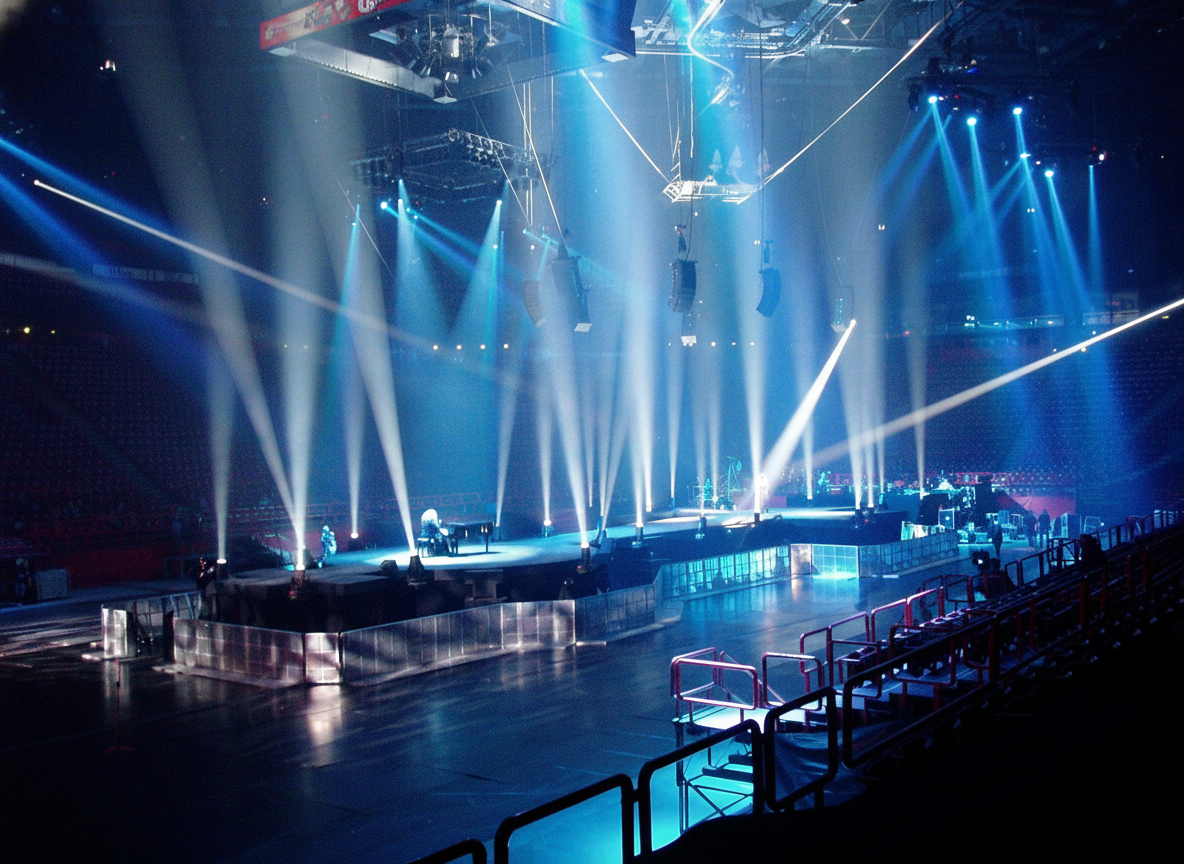
Have you ever wondered which AV Production Trends 2026 will shape the future of events?
In 2025, driven by the rapid growth of artificial intelligence, we’ve already seen the emergence of new trends in AV event production that will continue to expand in 2026. These changes won’t just affect the outcome of an event; they will redefine how brands, agencies, and production teams conceive and design experiences.
Today’s audiences expect immersive, technically flawless events that deliver a powerful message. And for those leading production—from agencies to technical directors—the challenge is no longer just about integrating technology, but about doing so with the precision needed to ensure reliability, scalability, and a truly memorable impact.
In this article, you’ll find an in-depth analysis of the innovations that will define the coming year: from AI powered technical control and XR stages to multicamera streaming, advanced video mapping for events, immersive sound, and the growing demands for sustainability and flexibility coming from clients.
Although technologies like XR and video mapping have existed for years. What’s new in 2026 is their purpose and application: integrated storytelling, immersive environments, and strategic use that goes beyond visual spectacle.
You’ll also discover how to implement these AV trends with confidence, supported by an AV partner capable of guiding you through every phase of the process: preliminary assessment, technical design, execution, and on-site support.
Index
The Evolution of Technical Production: A Turning Point in 2026
Trend 1: Artificial Intelligence Applied to Technical Event Production
Trend 2: Immersive XR Stages for Events
Trend 3: Streaming for events with multicamera production and 360° experiences
Trend 4: Automation and Remote Control of AV Systems
Trend 5: Video Mapping for Events: From Visual Spectacle to Spatial Storytelling
Trend 6: Sustainable AV Technology for Events
AV Trends 2026: How to Implement Them Successfully
The Evolution of Technical Production: A Turning Point in 2026
Throughout 2025, we’ve already witnessed accelerated technological development and a significant rise in expectations from both brands and attendees. This sets the stage for 2026, a year where innovation becomes a baseline requirement rather than a value-added extra.
For agencies, this brings new challenges: ensuring absolute reliability, managing multiple audiovisual workflows in parallel, adapting to last-minute changes , and relying on AV services for events capable of supporting increasingly complex productions.
This evolution is driven by key factors that are already transforming the industry:
- Hybrid formats combining in-person experiences with digital audiences
- Audiovisual storytelling as the core of the event experience
- Emotional and visual ROI as a measure of perceived event value
- Sustainability becoming a decisive factor in client decision-making
This moment of transition calls for a holistic approach: meticulous technical planning, cutting-edge equipment, and specialised operators who balance creativity with precision. More than following trends, the goal is to harmonise every AV element to design solid, memorable events with zero margin for error.
Trend 1: Artificial Intelligence Applied to Technical Event Production
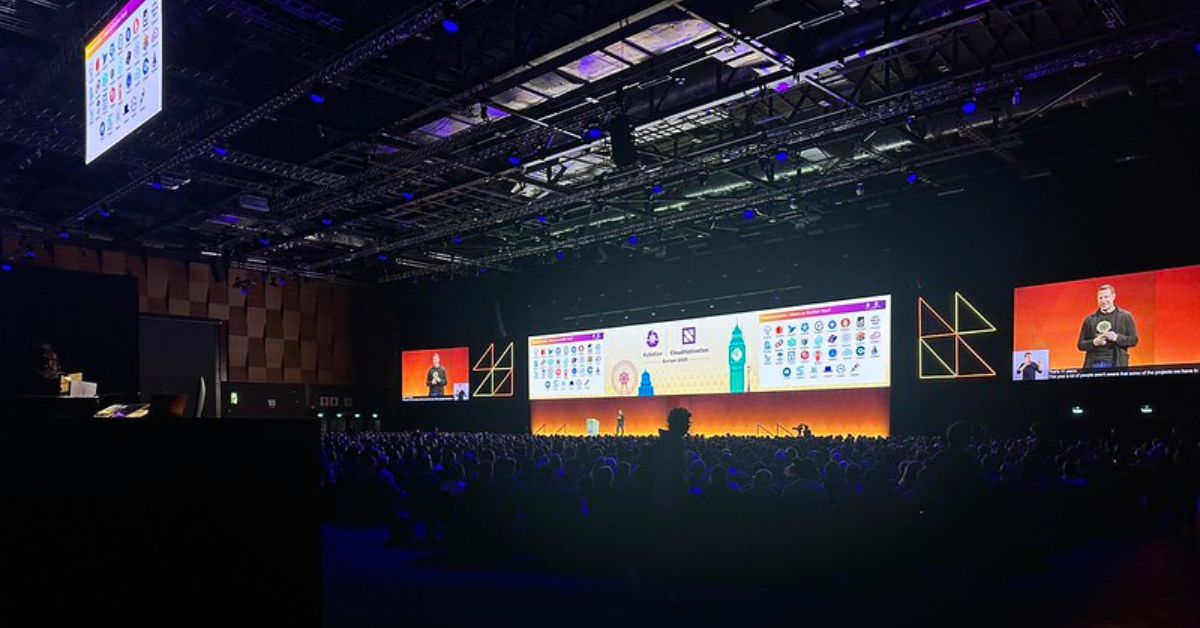
Artificial intelligence is beginning to reshape every industry, and AV event production is no exception.
In this context, AI acts as a powerful ally, bringing analytical capabilities, predictive insights , and real-time adaptability. It doesn’t replace human teams—it enhances them, offering greater precision, speed, and responsiveness in complex environments.
AI Applications in AV Production
In recent years, we’ve seen a significant increase in AI adoption across critical areas such as simultaneous translation, process automation, and predictive monitoring. Some of the most relevant applications include:
AI-Powered Simultaneous Translation
Novelty has already implemented this successfully at large-scale conferences such as KubeCon, and it will play a key role in several events planned for 2026. By reducing the need for physical booths and on-site interpreters, it enables:
- A smaller logistical and transport footprint
- Greater cost efficiency
- Faster setups in venues with limited installation capacity
Predictive analysis and intelligent maintenance
AI enables teams to anticipate failures, forecast redundancy needs, and detect risks in real time. This results in:
- Fewer live-event incidents
- Shorter preparation times
- More stable technical execution in high-demand events
Automated staging and dynamic adjustments
AI can adjust lighting, audio, or video parameters based on activity levels or audience behaviour. This is especially useful for:
- Keynotes with rapid content changes
- Galas and presentations with real-time visual narratives
- Hybrid events managing multiple audiovisual streams
Together, these solutions add a new layer of anticipation and adaptability. AI doesn’t run the show, but it supports smarter decision making, helping agencies, technical directors, and brands manage complex events with greater reliability and consistency.
Trend 2: Immersive XR Stages for Events
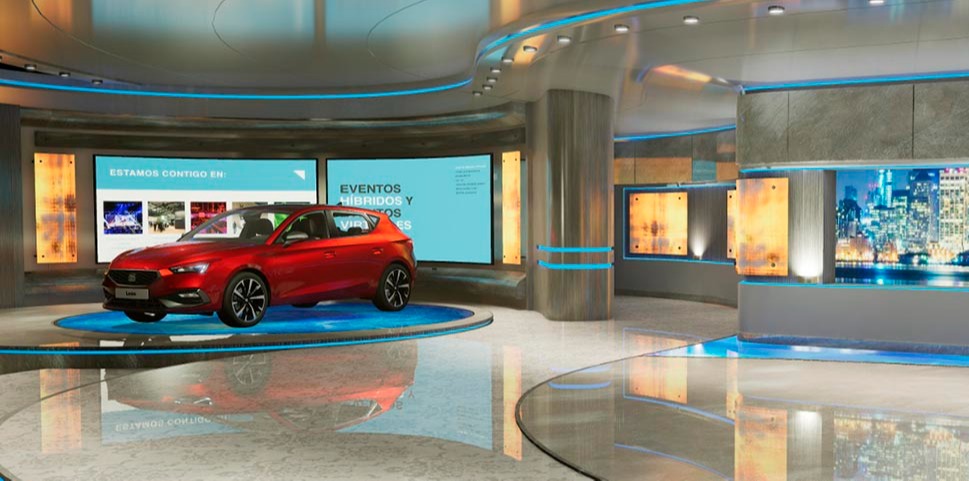
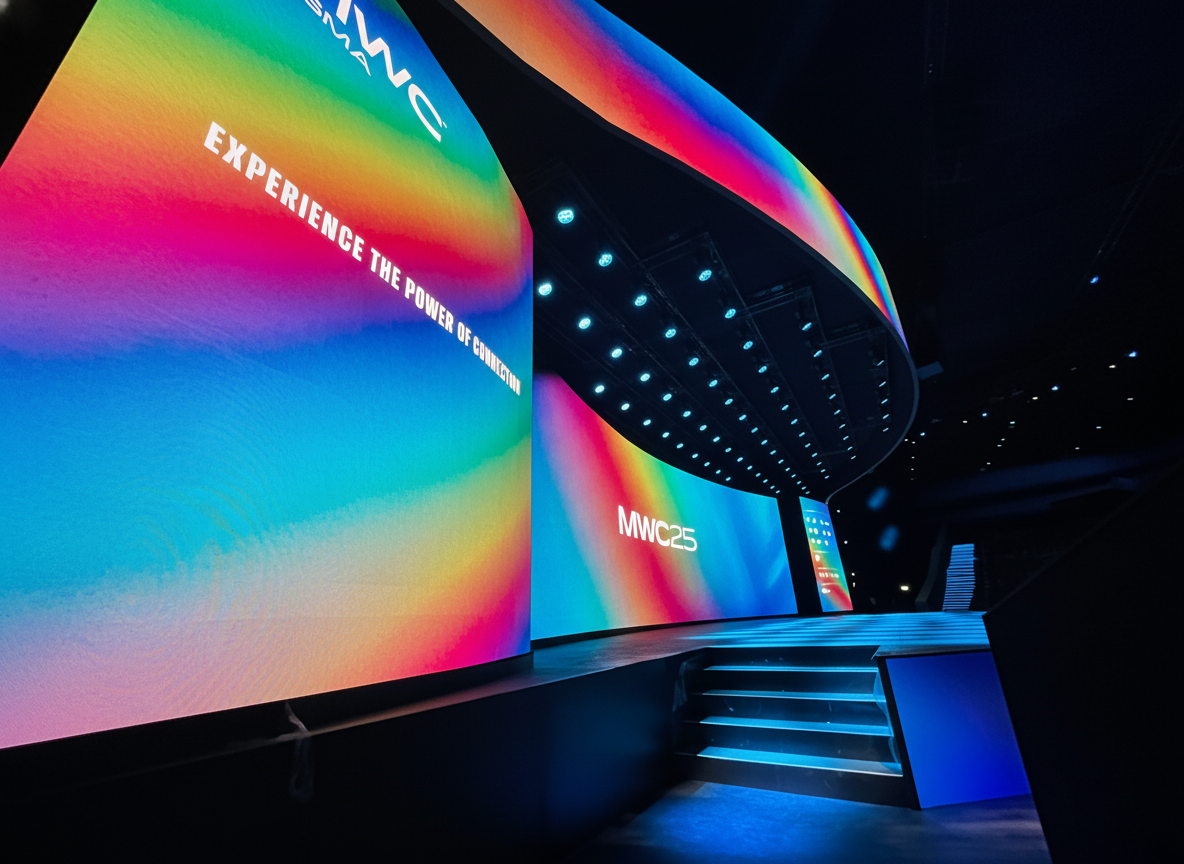
Immersive stages powered by XR technologies (extended reality: AR + VR) are becoming one of the most impactful AV Production Trends 2026. XR transforms the stage into an enveloping environment where architecture, digital content, and narrative work as one.
Why XR is Transforming AV Event Production
This trend is advancing thanks to:
- Immersive LED screens enabling 270° or 360° dynamic backdrops
- Real-time graphic engines that adapt content to presenter movement or script changes
- Growing demand for immersive experiences that strengthen brand storytelling
Real-World XR Applications in Corporate Events
XR is already reshaping AV event production. In product launches, 3D animations can interact with physical space to reinforce key presentation moments.
We’re also seeing immersive LED stages synchronised with audience reactions, camera movement, and sound effects, creating fully enveloping dynamics. In corporate environments, showrooms and exhibition spaces combine physical elements with digital layers to explain complex products or processes more intuitively.
In retail—especially in luxury, technology, and automotive sectors—XR experiences significantly elevate brand perception and audience impact.
XR Implementation Checklist for Your Next Event
Successful XR deployment requires:
- Early technical planning with 3D renders and venue analysis
- Multidisciplinary coordination between video, lighting, rigging, and digital content
- State-of-the-art equipment: video servers, tracking systems, modular LED walls
- A specialised technical team ensuring safe and cohesive execution
XR doesn’t just enhance brand perception, it becomes a competitive differentiator for agencies delivering premium, innovative audiovisual experiences.
Trend 3: Streaming for Events with Multicamera Production and 360° Experiences
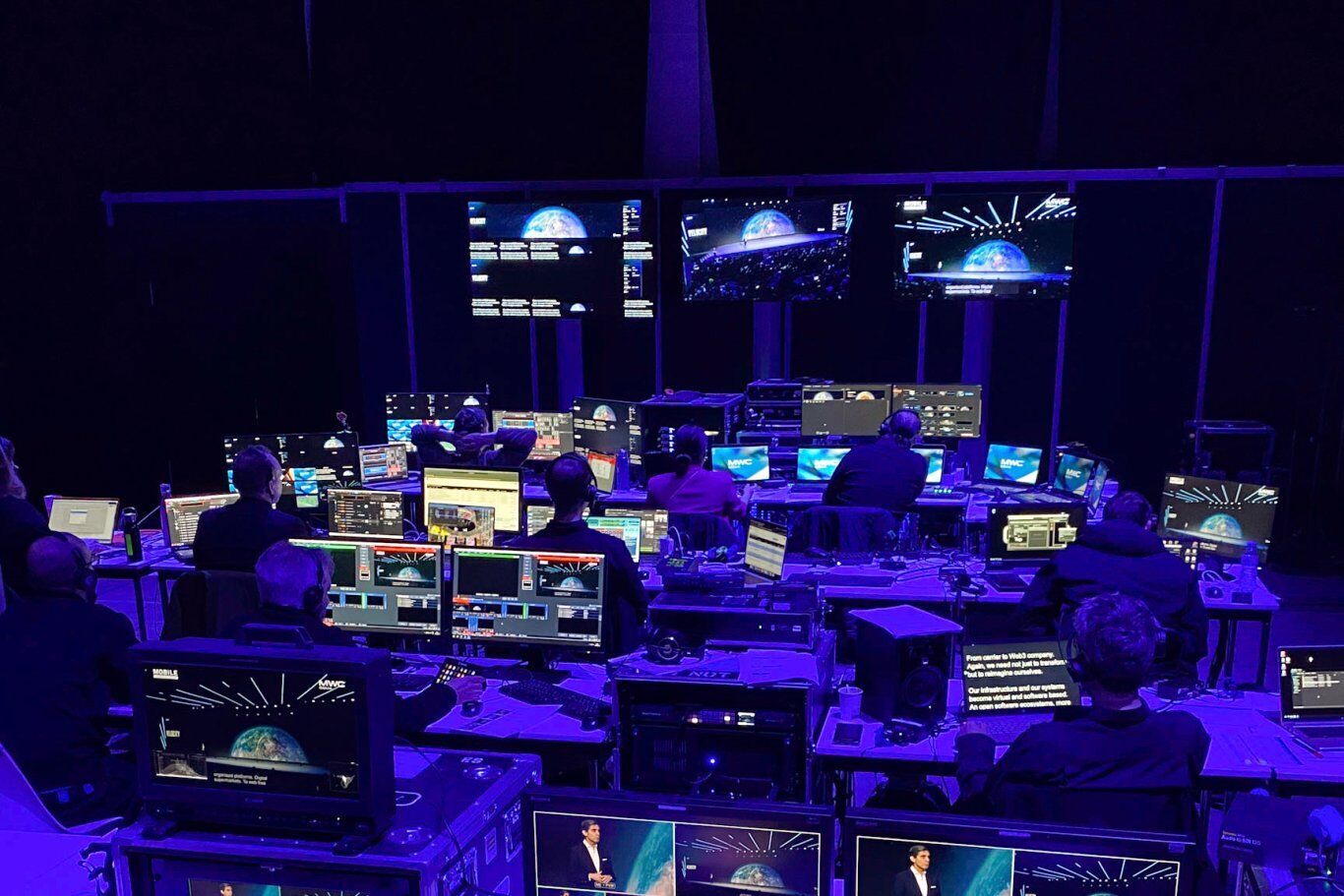
Streaming for events has become a cornerstone of audiovisual production. Brands now expect professional broadcasts that preserve the narrative quality of the live event, combining robotic cameras, multicamera direction, and immersive formats like 360° views for global audiences.
For agencies, this trend means expanding reach without compromising technical stability. Delivering seamless, interruption-free streams—adapted to each platform—requires an AV partner capable of managing complex video workflows, real-time graphics, and robust redundancy systems.
Key Elements of Professional Streaming in 2026
High-end streaming integrates multicamera production to create dynamic transitions and richer visual storytelling, alongside:
- 360° experiences allowing remote audiences to explore the venue
- Multiplatform adaptation for YouTube Live, LinkedIn, or private platforms
The benefits are clear: increased visibility without expanding physical capacity, stronger branding through overlays and graphics, and the ability to repurpose recorded content.
Streaming is no longer a logistical add-on; it’s a strategic audiovisual product, essential for hybrid events, keynotes, and international trade shows where global reach and technical excellence are critical.
Trend 4: Automation and Remote Control of AV Systems
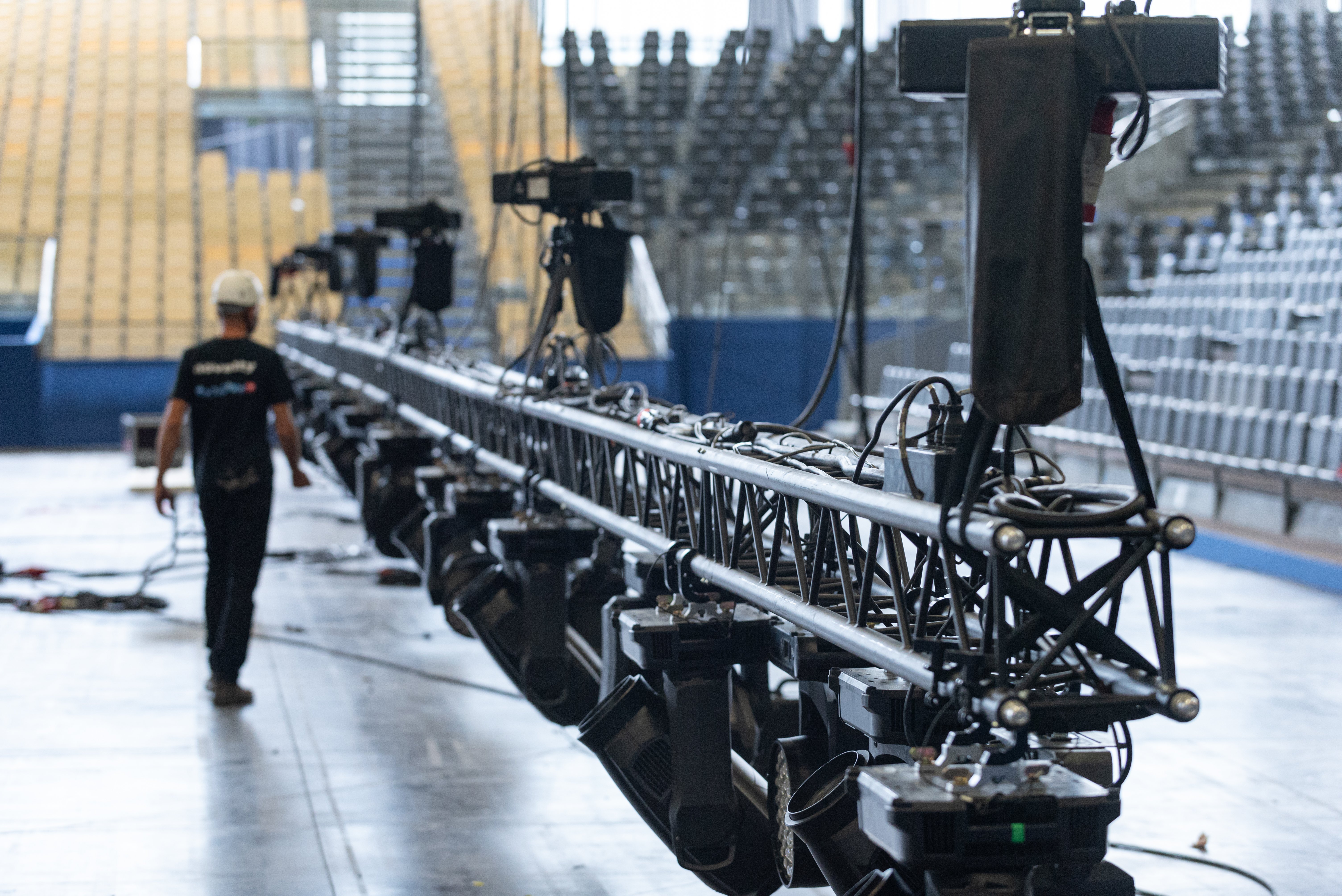
In recent years, automation has become essential for managing technical operations at events. Unlike AI, which focuses on analysis and decision-making, automation is about precise execution, centralised control, and operational efficiency in productions with multiple scenes or rooms.
In complex events, remote control of lighting, video, sound, or rigging is no longer optional; it’s a requirement for speed, coordination, and flawless live performance.
Differences between Artificial Intelligence and Automation in AV Event Production
Although they are often mentioned together, AI and automation serve distinct roles within the technical production of events. Understanding this difference is key to applying each technology strategically.
| Aspect | Artificial Intelligence (AI) | AV Automation |
|---|---|---|
| Main role | Analyzes, predicts, and assists in decision-making | Performs technical actions accurately |
| Key function | Anticipates and optimizes system performance | Centralizes control and streamlines operations |
| Level of intervention | Strategic and adaptive | Operational and technical |
| Type of tasks | Simultaneous translation, predictive analysis, intelligent adjustments | Lighting, video, audio, and rigging control |
| Reaction capability | Responds based on real-time data and behavior | Executes immediate programmed or remote changes |
| Relationship with human team | Enhances decision-making of the technical team | Facilitates execution and reduces operational errors |
| Event use examples | Early fault detection, sensorless tracking, scene adaptation | Scene changes, remote control, multi-room management |
| Main value | Anticipation, adaptation, and intelligent efficiency | Precision, control, and operational reliability |
| Impact on live events | Reduces risks before they occur | Ensures stability during execution |
| Complementarity | Decides what should be adjusted | Executes how it is adjusted |
How AV Automation Will Work in 2026
In simple terms, automation allows the entire AV system to “speak the same language”.
Lighting, video servers, audio scenes, and rigging motors can all be controlled from a single point using protocols such as Art-Net, sACN, or Dante. This simplifies operations while enabling precise synchronisation across disciplines and continuous monitoring of equipment status—crucial when every second counts.
Automation also enables real-time remote adjustments, especially valuable for:
- High-impact presentations with rapid transitions
- Galas featuring multiple scene changes
- Trade fairs where the same space serves different purposes throughout the day
In these dynamic environments, automation not only manages complexity—it saves time by reducing technical rehearsals, replicating configurations, and absorbing last-minute changes without compromising stability.
Benefits of Automation for Agencies and Technical Directors
Automation doesn’t just improve technical performance—it transforms how projects are planned and executed. Key benefits include:
- Greater control and reduced uncertainty, even with parallel programming
- Faster setups and shorter venue occupancy times
- Safer executions through continuous monitoring
- Immediate response to content changes or new client requirements
Automation is a natural evolution of the AV sector, multiplying efficiency and operational precision, always supported by skilled technical teams ensuring safe, context-aware programming.
Trend 5: Video Mapping for Events: From Visual Spectacle to Spatial Storytelling
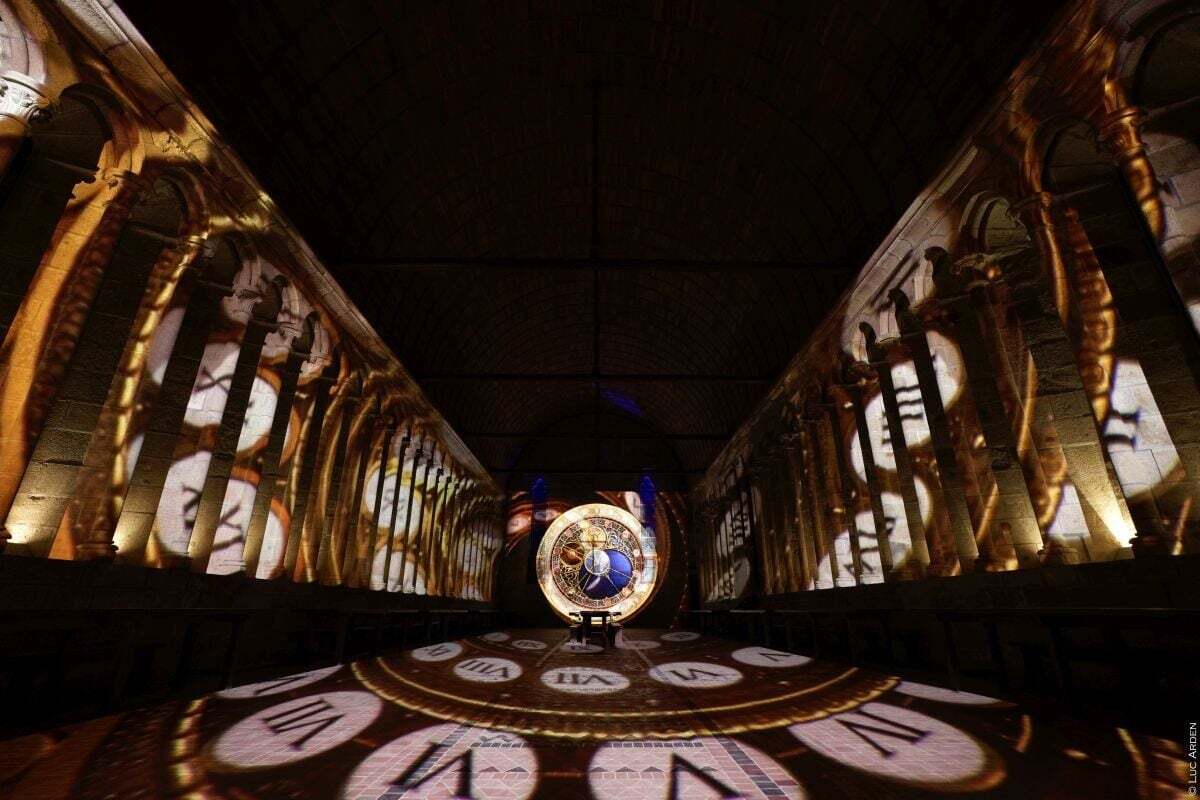
Video mapping for events has evolved from a striking visual effect into a strategic storytelling tool. Its true value lies not only in spectacle, but in its ability to merge audiovisual content with architecture, turning any space into a narrative canvas that reinforces brand messaging.
Why Video Mapping Gains Momentum in 2026
Modern mapping transforms spaces into active elements of communication through:
- 3D scanning and precise architectural alignment
- Audiovisual design synchronised with structures
- Integration with lighting, sound, and rigging
This allows for immersive scenes that elevate the event’s storytelling.
Video Mapping Use Cases in 2026
Growth will be especially strong in:
- Institutional galas and premium events
- Product launches highlighting design and innovation
- Trade fairs and showrooms with interactive mapping
- Outdoor events and historic façades
What Video Mapping Requires from Agencies and Technical Directors
Mapping is powerful—but demanding. It requires:
- Technical site visits and 3D scans
- Early coordination between creative and technical teams
- High-capacity equipment: powerful projectors, video servers, certified rigging
- Specialists in alignment and content execution
When all elements align, video mapping becomes one of the most effective ways to elevate AV event production.
Trend 6: Sustainable AV Technology for Events
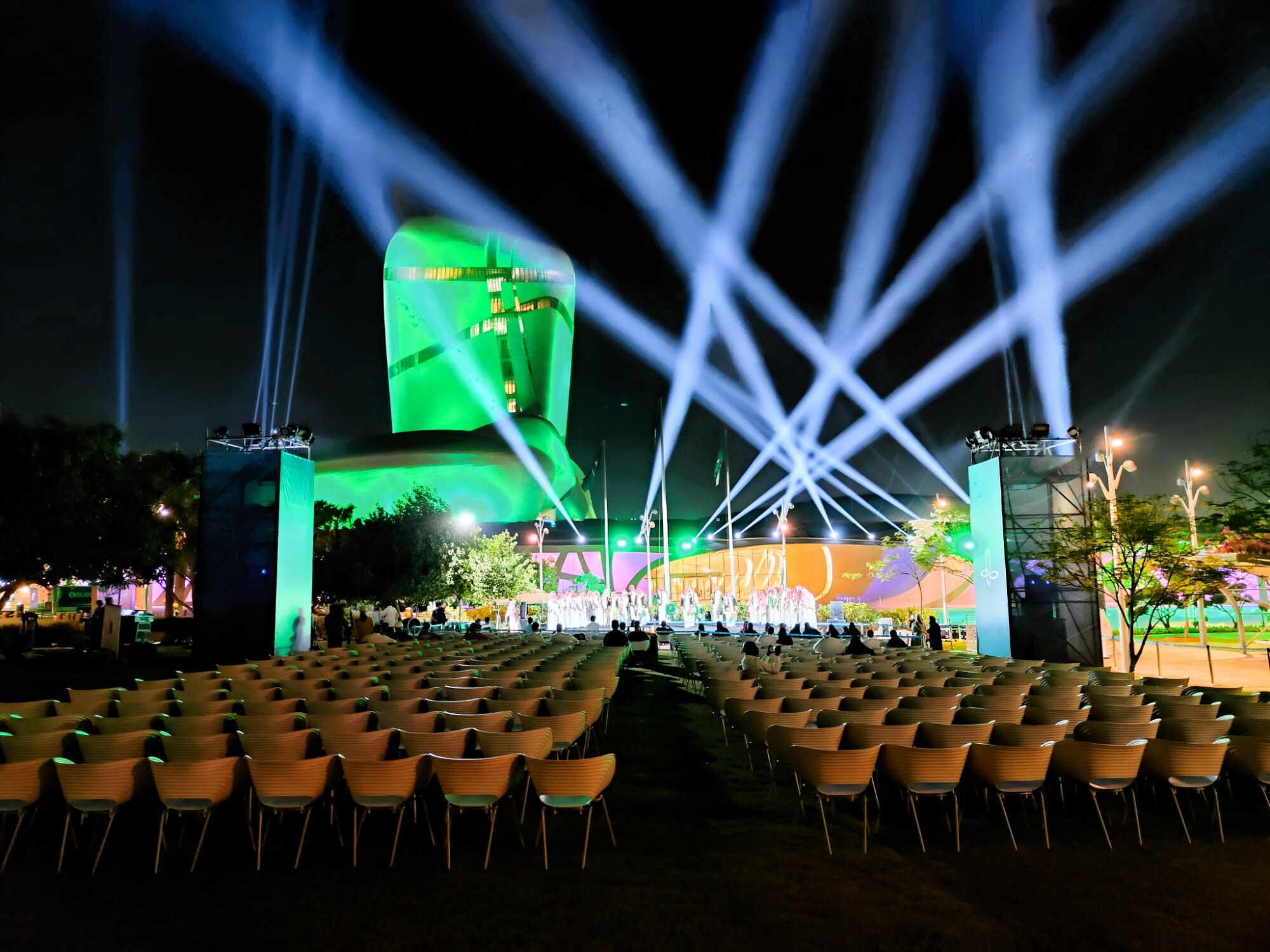
Sustainability has become a strategic priority for brands, venues, and agencies alike. In 2026, AV production will be evaluated not only on visual impact and technical precision, but also on its ability to reduce environmental footprint without sacrificing quality.
This is particularly important for international clients demanding accountability, traceability, and efficiency. Sustainability isn’t about doing less—it’s about doing better: using energy-efficient equipment, optimising logistics, reducing installation waste, and delivering maximum impact with minimal consumption.
Four Key Sustainability Innovations for AV in 2026
Next-Generation LED Lighting
Fixtures like the Martin MAC Aura XIP, Elation Seven Batten, or Astera AX series consume less energy, generate less heat, and allow precise brightness and colour control, reducing power usage, cooling needs, and structural requirements.
Lightweight, Modular Rigging
Modular systems reduce transport weight, speed up installation, and lower logistical impact while adapting easily to fast-changing event formats.
Energy-Efficient Video Servers and Consoles
Manufacturers are introducing low-consumption modes that reduce energy use during rehearsals, standby periods, and peak operation—seen in systems like grandMA3 or ChamSys MagicQ.
Rechargeable Batteries and Optimised Cabling
Intercoms, lighting accessories, and auxiliary systems increasingly rely on long-life rechargeable batteries, reducing consumables and cabling volumes.
AV Trends 2026: How to Implement Them Successfully
 Understanding AV Production Trends 2026 is just the beginning. The real challenge lies in implementing them without compromising reliability or technical coherence. For agencies and brands, success depends on combining planning, expert teams, and the right technology.
It starts with a solid technical assessment: site visits, 3D scans, load calculations, and acoustic analysis. This allows teams to anticipate constraints and design realistic AV solutions.
From there, technical planning becomes the backbone of the project—integrating AV with staging and lighting, defining installation plans, cabling routes, and clear schedules for setup and rehearsals.
Technology matters, too. Having up-to-date in-house equipment ensures faster response times, consistent quality, and flexibility for last-minute changes. But the real difference lies in people: specialised technicians who work with precision, foresight, and a client-focused mindset.
Pillars of Successful AV Implementation
- Preliminary assessment: site visits, 3D scanning, rigging calculations
- Detailed planning: AV integration, technical drawings, timelines
- Cutting-edge in-house equipment: reliability and agility
- Skilled technical teams: coordination, precision, adaptability
- Control and flexibility: issue resolution, scene reprogramming, parallel operations
AI, XR, multicamera streaming, automation, and video mapping are raising the bar for audiovisual production in 2026. To implement them successfully, you need a partner capable of combining advanced technology, precise engineering, and operational excellence.
Novelty supports agencies at every stage of the process, turning AV trends into memorable, technically flawless experiences.